

Archive Materials
17th March 2026| Audio-Visual Collections, Cine & Motion Film Collections, Document Scanning Collections, Photographic Film Collections
For over 15 years, our expert team of archive technicians and engineers have been working with educational facilities, production houses, corporate businesses, museums, libraries, and private clients, providing digitisation and imaging services for audio-visual collections, photographic film collections, and document collections in line with IASA guidelines and The National Archives Standards for analogue media, including rare, fragile, and specialist collections.
https://oxfordduplicationcentre.com/index.html
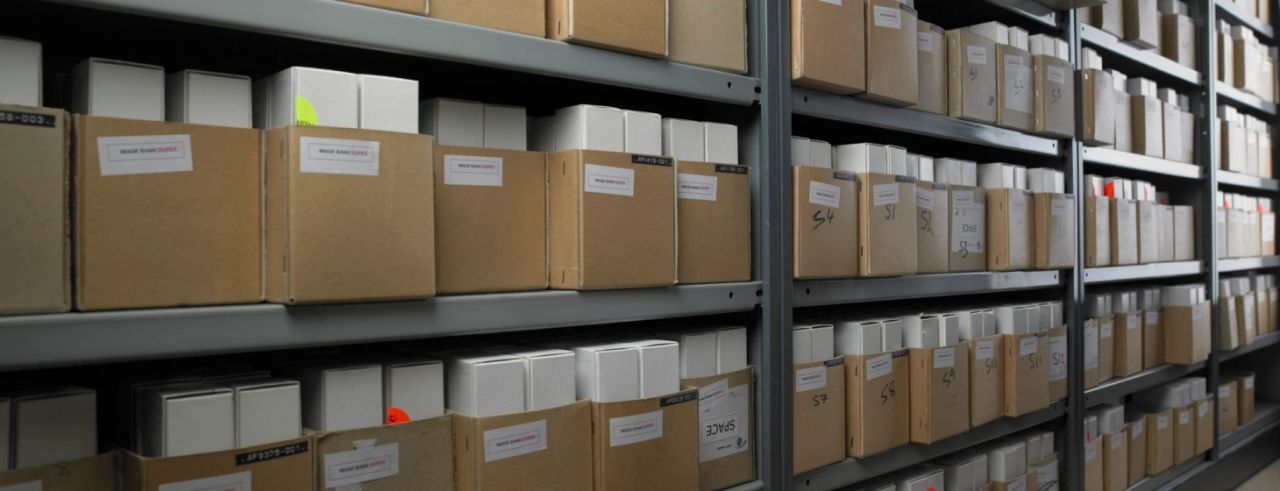
Unleashing the Potential of Digital Preservation
In today’s rapidly evolving digital landscape, safeguarding your archive materials through digitisation is not just an option—it’s imperative for long-term preservation and accessibility. Transforming physical archives into digital formats ensures that invaluable records remain intact despite the passage of time, providing a robust framework against deterioration, loss, or damage.
By converting legacy materials into digital assets, you benefit from enhanced organisation, efficient searchability, and improved access, which are essential for research, education, and cultural heritage. This guide will explore:
- How digitisation opens new avenues for secure storage.
- Practical steps to transform physical documents into easily accessible digital formats.
- Best practices to maintain the integrity of historical records.
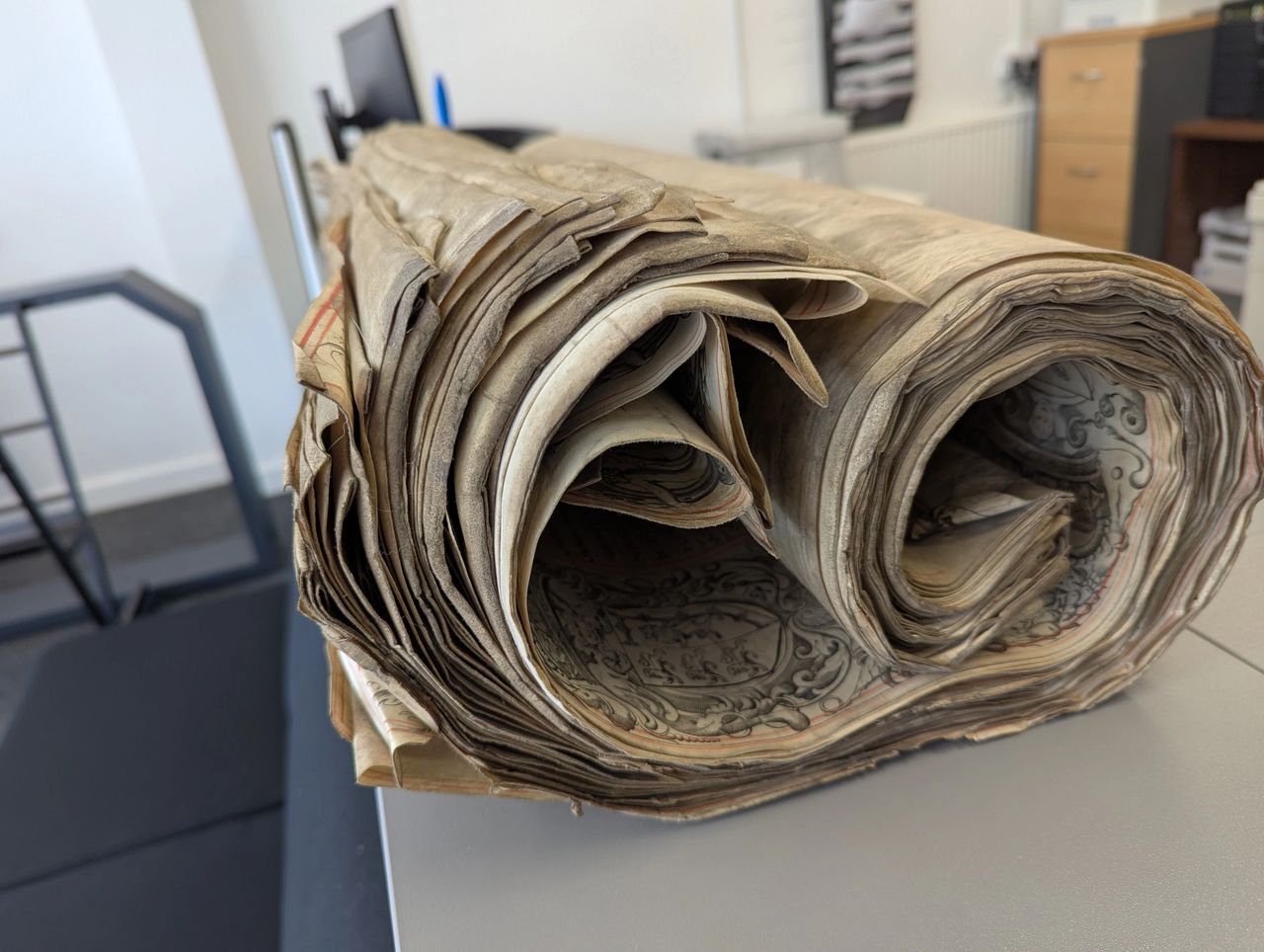
Transforming Your Media Archives: A Step-by-Step Guide
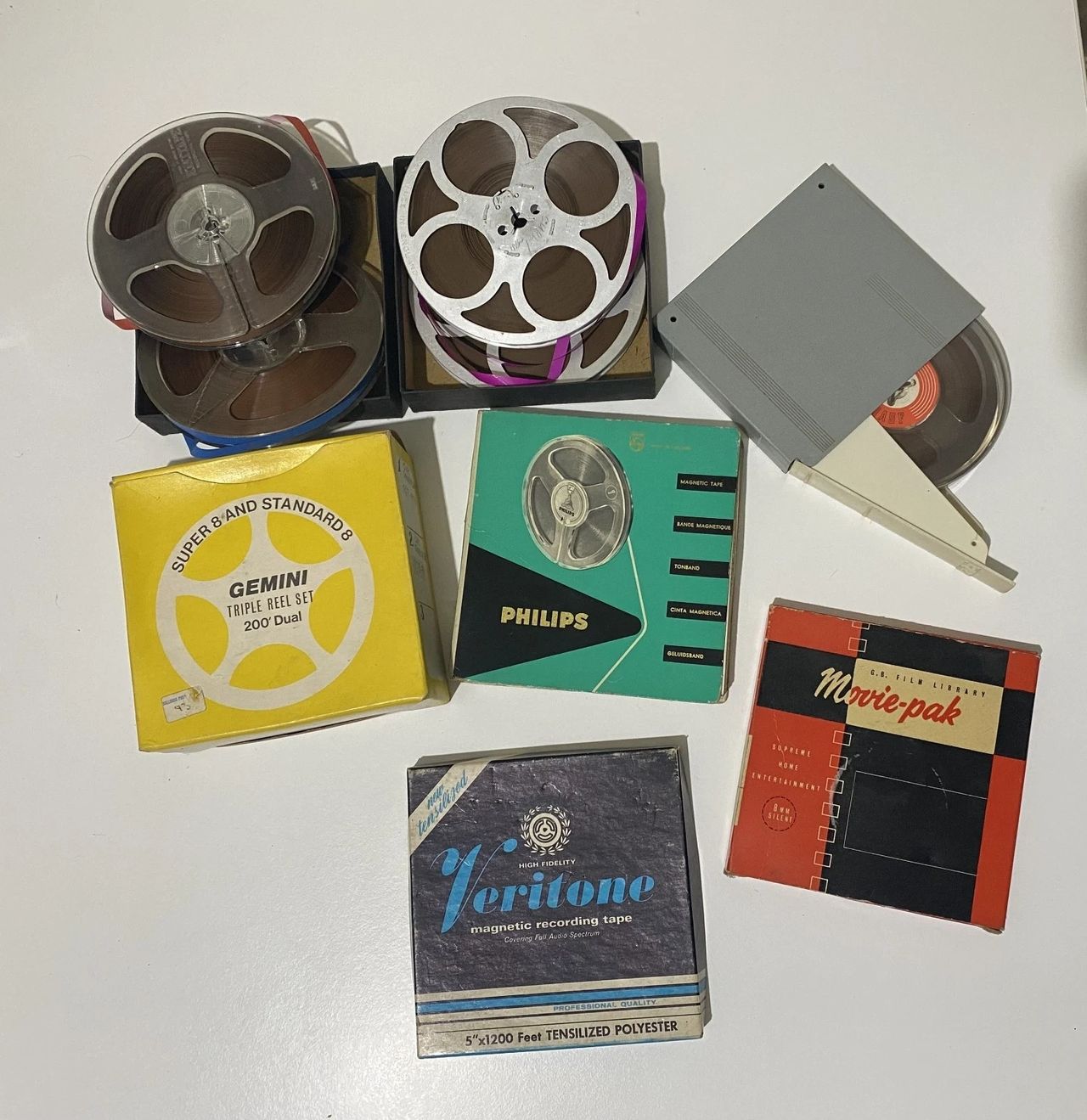
Digitising your valuable media collections is a multi-layered process that ensures preservation and accessibility for future generations. Starting with archival audio, our experts convert magnetic tapes and vinyl into high-resolution digital files using specialised analogue-to-digital converters. Maintaining fidelity is key—each file is processed and cleaned to remove background noise, ensuring clear playback quality.
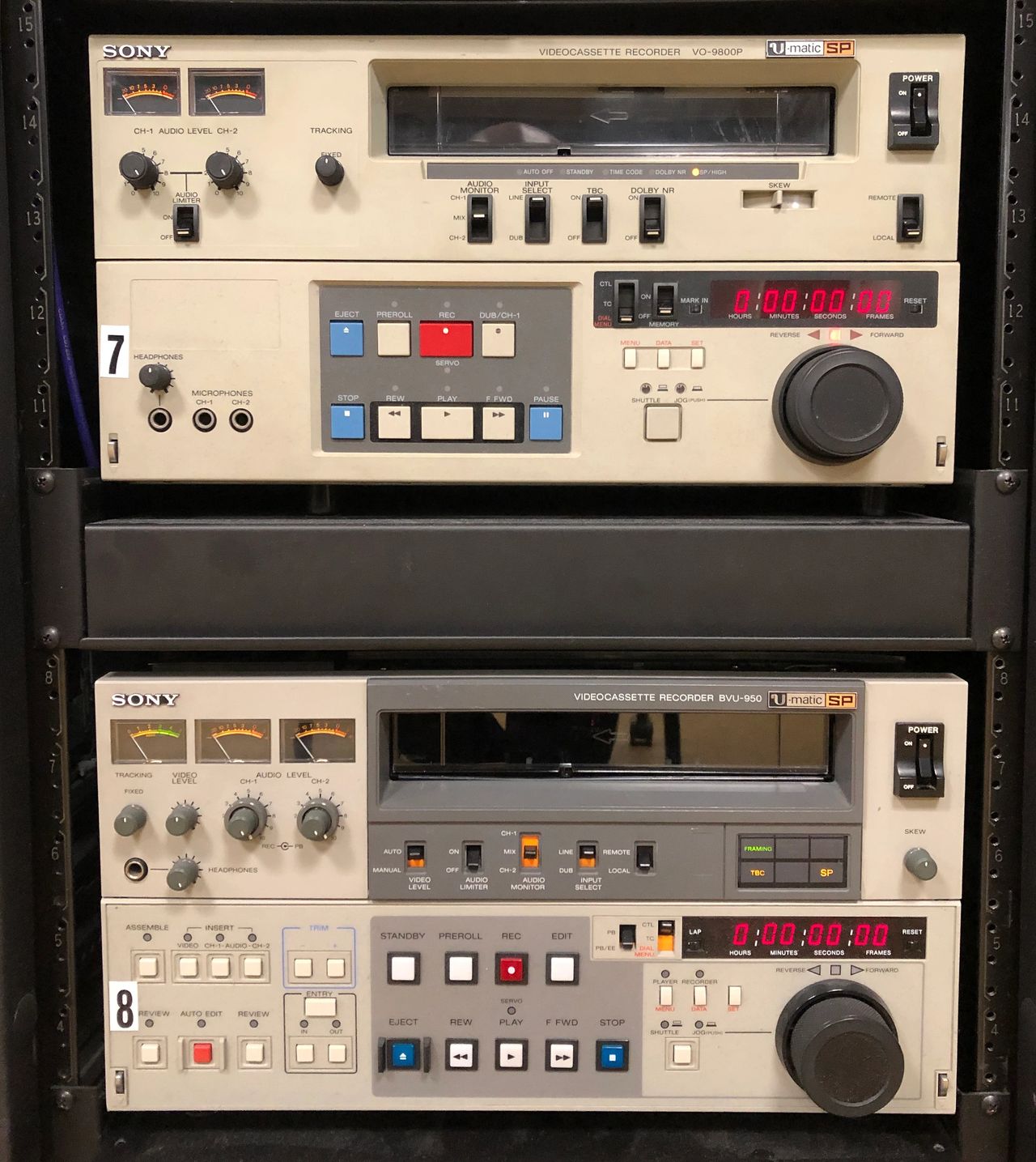
For video formats, digitisation involves careful transfer of footage recorded on outdated formats to a digital medium while preserving the original frame rate and resolution. This methodical approach avoids quality degradation and allows for easier editing and restoration.
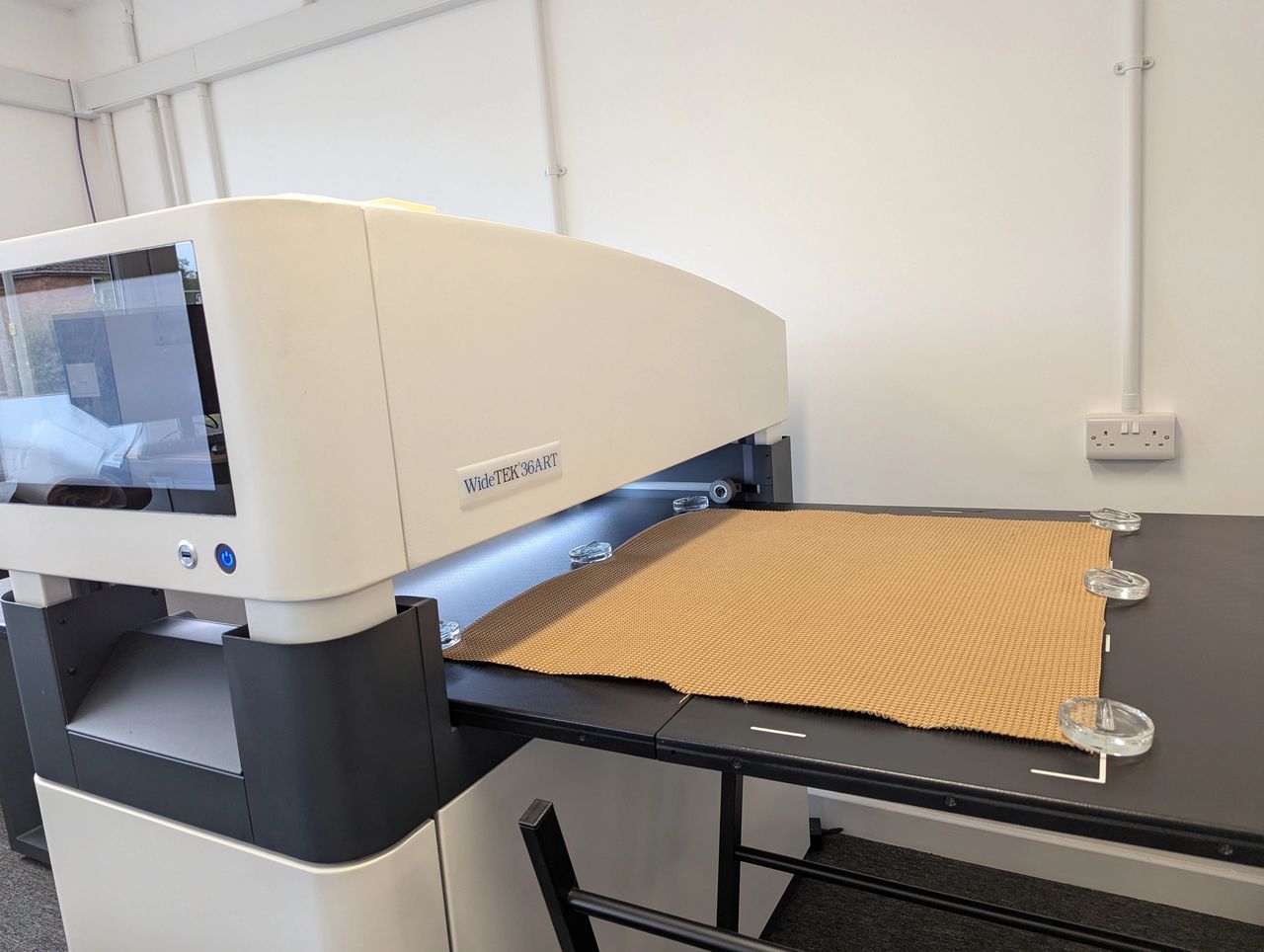
Photographic materials follow a similarly precise process. High-quality scanners capture intricate details of negatives and prints with optimal color balance and resolution. These images are then stored in lossless file formats, with proper metadata tagging for easy retrieval in digital archives.
Key steps include:
- Thorough cleaning of original materials
- Precision scanning and conversion
- Metadata integration for efficient cataloguing
7 Key Benefits of Digitising Your Archive Materials
Transforming physical archives into digital formats can revolutionise how you manage personal and professional materials. Here are seven actionable benefits that can help you save time, protect your history, and work smarter:
- Enhanced Accessibility: Digitised materials are available at the click of a button, making it easier to access important documents and media from anywhere.
- Optimal Preservation: By converting fragile originals into digital copies, you safeguard delicate materials against physical decay while preserving historical integrity.
- Improved Searchability: Digital archives allow quick keyword searches and tagging, reducing time spent rifling through physical files and enabling immediate retrieval.
- Cost-Effective Storage: Digitisation cuts down on expensive physical storage needs and minimizes associated maintenance costs, offering a leaner, sustainable process.
- Enhanced Collaboration: Digital files facilitate easier sharing and collaboration within teams, making project management and review processes more efficient.
- Streamlined Organization: With categorisation and metadata tagging, digital files can be organised systematically, boosting overall efficiency.
- Future-Proofing: Regular updates to digital formats ensure your archives remain accessible and compatible with evolving technology.
Tackling Digitisation Challenges Head-On
Digitising archival materials presents several challenges that require careful strategy and technical know-how. One of the primary hurdles is ensuring the preservation of delicate content while modernising it for digital platforms. Materials like faded photographs, aging audio tapes, and deteriorating videos demand specialized handling to prevent further damage during the digitisation process.
- Material Fragility: Handle originals with extreme care and use appropriate preservation techniques.
- Data Loss: Utilise robust scanning and conversion methods to maintain high fidelity.
- File Format Decisions: Choose formats that balance accessibility with quality retention.
- Workflow Complexity: Streamline processes by breaking the project into manageable stages and testing procedures before large-scale rollout.
What are the typical costs for digitising archive materials?
Digitisation costs vary based on volume, quality demands, and the type of material. Our service offer tiered pricing, and while high-resolution scanning and restoration work are often pricier, there are cost-effective solutions available for bulk conversions.
How long does the digitisation process take?
Turnaround times depend on the size and condition of your archive. Smaller collections may be completed within a few days, whereas larger archives could take several weeks. Efficient project management and clear specifications help streamline the process.
What quality standards should I expect?
Quality assurance is crucial when converting archival material. We adhere to established archival standards to ensure image fidelity, accurate color reproduction, and optimal file formats suitable for long-term preservation.
How is the security of digital archives maintained?
Secure digitisation involves controlled access, encrypted storage, and regular backups. Following strict protocols safeguards sensitive content during transfer and helps prevent data loss.
Are there customisable options for different archive types?
Absolutely. From photographic materials to audio and video records, many digitisation services offer tailored solutions to meet specialised requirements, ensuring that every piece is treated with the appropriate care and technology.
Securing Your Legacy in the Digital Age
Digitisation is not just a trend—it’s an essential strategy for preserving history and protecting valuable records for future generations. Summarizing the key points, digitising archival materials offers enhanced accessibility, improved management, and long-term integrity of your collections. Transitioning from paper to digital reduces the physical storage burden while providing a platform for remote access and analysis, vital for industries across the board.
Key actionable steps include:
- Evaluate your current archive and identify items that demand immediate digitisation.
- Prioritise materials based on their historical significance and physical condition.
- Implement a clear plan with digital backup routines and robust preservation protocols.
Kind regards
Cheryl
Cheryl-Lee Foulsham
Director/Sales
Oxford Duplication Centre Ltd
Corporate, Consumer & Heritage Digitisation
29 Banbury Road Kidlington OX5 1AQ
T: +44 (0) 1865 457000
W: www.oxfordduplicationcentre.com
Opening Hours Mon-Thur 8-4pm Fri 8-3

